Walk down any British high street and you'll likely spot a Thai restaurant or two. But how can you tell whether you're being served the real deal or a watered-down version tailored for cautious palates? For diners in Doncaster and across South Yorkshire who want to experience genuinely authentic Thai food, understanding what sets traditional cooking apart from its anglicised cousins is the first step towards a far more rewarding meal.
This guide will walk you through the hallmarks of authenticity, from the balance of flavours on your plate to the regional traditions that have shaped Thai cuisine over centuries.
The Four Pillars of Thai Flavour
The cornerstone of traditional Thai cuisine is balance. Every well-prepared dish should harmonise four core tastes: sweet, sour, salty, and spicy. Some cooks add a fifth, bitter, particularly in dishes featuring herbs like bitter melon or certain leafy greens.
This balancing act isn't just culinary philosophy - it's practical. A proper tom yum soup, for instance, should make your tongue tingle with chilli heat, pucker from lime juice, register the salty depth of fish sauce, and carry just enough sweetness to round it all off. If a dish leans heavily in one direction, particularly towards sweetness (a common adaptation in Western kitchens), you're likely tasting something that's been adjusted rather than authentically prepared.
Pad thai offers another good test. The genuine version isn't drowning in sweet sauce or coloured a fluorescent orange. It's nuanced, with tamarind providing sourness, palm sugar adding gentle sweetness, and dried shrimp or fish sauce delivering that essential salty umami punch.
Why Fresh Thai Herbs and Aromatics Matter
Thai cooking relies heavily on a specific palette of fresh ingredients that simply cannot be substituted without losing authenticity. Galangal, often mistaken for ginger, has a sharper, more pine-like flavour. Kaffir lime leaves bring a citrus perfume that bottled lime juice cannot replicate. Thai basil, holy basil, lemongrass, coriander root, and bird's eye chillies all play distinct roles.
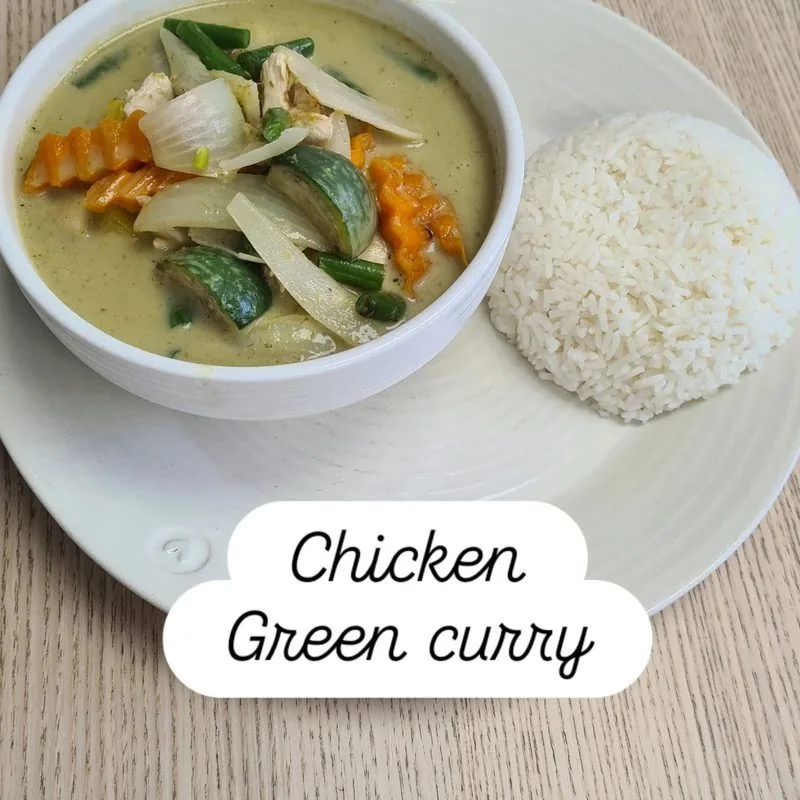
A telltale sign of an authentic kitchen is the presence of these ingredients in their fresh form. Restaurants that rely on dried herbs or generic substitutions tend to produce dishes that taste flat. When you're served a green curry that's deep green, intensely fragrant, and complex on the palate, that's because the paste has been pounded fresh from raw ingredients rather than scooped from a jar.
Regional Thai Cooking: One Country, Many Cuisines
One of the most overlooked aspects of authenticity is regional variation. Thailand has four broad culinary regions, each with distinct characteristics shaped by geography, climate, and cultural influences from neighbouring countries.
Northern Thai food, from areas like Chiang Mai, tends to be milder and features dishes like khao soi, a coconut curry noodle soup with Burmese influences. Northeastern (Isaan) cuisine is bold, fiery, and often features grilled meats, sticky rice, and som tam - the famous green papaya salad. Central Thailand, home to Bangkok, gave us many of the dishes Britons recognise: pad thai, tom yum goong, and the various coloured curries. Southern cooking, influenced by Malaysia and the Indian Ocean trade, leans heavily on seafood, turmeric, and some of the spiciest curries you'll ever encounter.
A restaurant offering genuine regional Thai dishes - rather than a generic "Thai menu" of the same dozen dishes you'll find everywhere - is usually a strong indicator of authenticity. It suggests the kitchen has cooks who understand and respect Thailand's culinary diversity.
The Role of Rice and How It's Served
Rice isn't just a side in Thai meals; it's the centrepiece. The Thai phrase for "to eat" literally translates as "to eat rice." Jasmine rice, with its delicate floral aroma, is standard across most of the country, while sticky rice (khao niao) is the staple in the north and northeast, traditionally rolled into small balls by hand and used to scoop up curries and dipping sauces.
Pay attention to how rice is treated at a restaurant. Is the jasmine rice freshly steamed and fragrant? Is sticky rice offered with the dishes that suit it, like a fiery jungle curry or grilled meats? Rice is never an afterthought in a serious Thai kitchen - the care taken over it separates kitchens that respect their craft from those cutting corners.
Experience Authentic Thai Cooking in Doncaster
You can browse our full menu at Charm Thai Cafe in Doncaster to see how a properly run Thai kitchen presents these classics - from fragrant green curry to fresh-pounded tom yum and hand-finished pad thai.
Spice Levels: Authenticity Versus Accessibility
Here's an honest truth: traditional Thai food can be seriously hot. Bird's eye chillies are used liberally in many dishes, and a Thai-spiced som tam in Bangkok would have most British diners reaching for milk.
Authentic restaurants in the UK face a genuine dilemma. Do they cook everything at traditional spice levels and risk overwhelming customers, or do they tone things down? The best places strike a thoughtful compromise: they prepare dishes properly but offer adjustable heat levels, and they're happy to crank up the chilli for diners who request it. What they don't do is uniformly mute every dish into bland submission.
Traditional Thai Dining: Texture and Presentation
Authenticity also shows up in how food is served. Thai meals are traditionally communal, with several dishes shared at the table rather than individual plated mains. Curries, stir-fries, soups, and salads arrive together, and diners help themselves alongside generous portions of rice.
You'll also notice that authentic dishes have varied textures within them - the crunch of fresh peanuts in pad thai, the chewy bounce of squid in tom yum, the silky tenderness of properly cooked aubergine in green curry. These textural contrasts are deliberate and central to the dining experience.
Where to Find Authentic Thai Food in Doncaster
Spotting an authentic Thai restaurant comes down to a few things: a menu that ventures beyond the standard greatest hits, fresh herbs visible in the dishes, balanced flavours that hit all the right notes, and staff who can talk knowledgeably about regional differences and cooking techniques.
Looking for genuine Thai cooking in South Yorkshire? Visit Charm Thai Cafe in Doncaster to taste the difference. You'll find us at 67 Copley Road, DN1 2QP, right in the heart of Doncaster - with an extensive vegan and vegetarian menu and halal meat options for those who want them.
Visit Charm Thai Cafe
67 Copley Road
Doncaster, South Yorkshire
DN1 2QP